Safe Drinking Water: How to Provide Clean Water to Communities
Access to safe drinking water is essential for human health, well-being and sustainable development. While many people can turn on a tap and expect clean water, millions of people around the world still do not have reliable access to safe drinking water.
In rural and underserved communities, finding safe drinking water can mean walking long distances, collecting water from rivers or unprotected wells, or relying on seasonal water sources. Even when water is available, it may not always be safe to drink.
According to the latest United Nations estimates, 2.2 billion people still lacked safely managed drinking water in 2024. This shows that the global water crisis is not simply about the availability of water. It is also about water quality, accessibility, reliability, infrastructure and distance.
So, how can communities gain reliable access to safe drinking water?
1. Finding a Reliable Source of Safe Drinking Water
The first step in providing safe drinking water is identifying a reliable and sustainable water source.
Depending on the local environment, communities may rely on:
- Groundwater
- Springs
- Rivers and lakes
- Rainwater harvesting
- Community wells
- Boreholes
- Piped water systems
In areas where surface water is scarce, unreliable or contaminated, groundwater can provide an important source of drinking water.
Boreholes and Wells for Clean Water Access
Boreholes and wells can play an important role in improving clean water access in rural and underserved communities.
A borehole provides access to groundwater stored beneath the surface. However, developing a successful borehole project requires careful planning. It is not simply a matter of drilling a hole and installing a pump.
Before drilling a borehole, geological and hydrogeological conditions should be assessed to determine where groundwater can be found and whether the source can provide enough water for the community.
Important factors include:
- The depth of the water table
- Local geological conditions
- Groundwater availability
- Expected community water demand
- Groundwater quality
- Long-term sustainability
Proper assessment and planning can help ensure that a community water project provides a reliable source of safe drinking water for many years.
2. Testing and Protecting Safe Drinking Water
Finding water does not automatically mean finding safe drinking water.
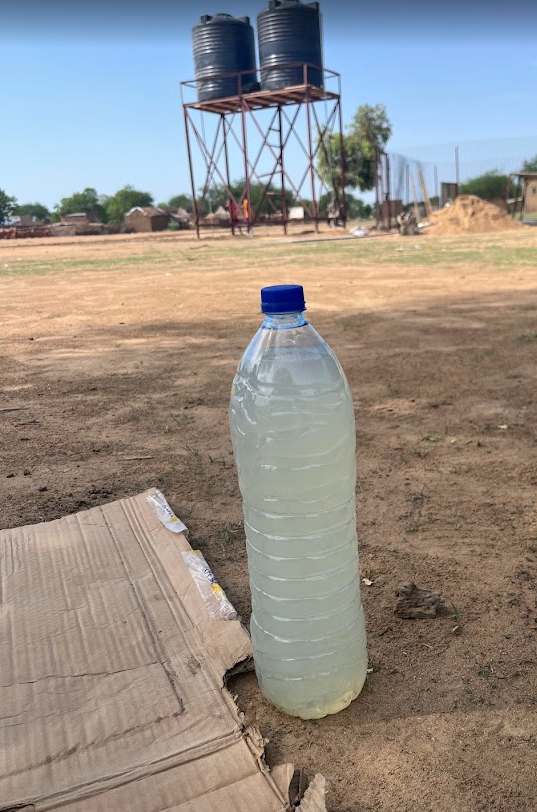
Water can look clean while containing microorganisms or chemical contaminants that cannot be seen, smelled or tasted. Contaminated drinking water can contribute to diseases such as diarrhoea, cholera, dysentery and typhoid.
This is why water quality testing is an essential part of any sustainable water project.
The World Health Organization emphasizes that safely managed drinking water should be available when needed and free from faecal and priority chemical contamination.
Providing safe drinking water therefore requires more than identifying a water source. The water must also be tested, protected and monitored.
Water Treatment for Safe Drinking Water
Depending on the quality of the water source, water treatment may be necessary before the water can be safely consumed.
Appropriate water treatment solutions may include:
- Filtration
- Disinfection
- Chlorination
- Other locally appropriate treatment technologies
The most appropriate solution depends on the local water source, the type of contamination, available infrastructure and the needs of the community.
Regular water quality monitoring can also help ensure that a water supply remains safe over time.
3. Making Safe Drinking Water Accessible
A reliable source of water can still be difficult to access if it is located several kilometres away from people’s homes.
Distance is an important but often overlooked part of the global water crisis.
When families have to walk long distances to collect water, the responsibility can disproportionately affect women and children. Time spent collecting water could instead be spent at school, working, caring for family members or developing local businesses.
For this reason, a successful safe drinking water project must consider not only whether water is available, but also whether people can access it safely, conveniently and consistently.
Community Water Points
A well-designed community water point can significantly improve access to safe drinking water.
Water points located close to homes, schools, healthcare facilities and other community buildings can reduce the time and effort required to collect water.
However, sustainable clean water access requires more than installing a water point. Long-term projects should also consider:
- Infrastructure maintenance
- Water quality monitoring
- Local community involvement
- Reliable water systems
- Long-term financial sustainability
- Protection of the water source
These factors can help ensure that a safe drinking water project continues to benefit the community over the long term.
Building Sustainable Access to Safe Drinking Water
Providing safe drinking water requires a comprehensive approach.
A successful water project should identify a sustainable water source, assess water quality, install appropriate infrastructure and make clean water accessible to the people who need it.
From groundwater boreholes and community wells to water treatment systems and community water points, each solution should be adapted to local environmental conditions and community needs.
Reliable access to safe drinking water can reduce the time people spend collecting water while supporting healthier, more resilient communities.
Help Provide Safe Drinking Water
Everyone should have access to clean and safe water.
By supporting sustainable water access projects, you can help communities develop reliable sources of safe drinking water, improve access to essential infrastructure and build a healthier future.
Help us provide sustainable access to safe drinking water to communities that need it most.